Palliative care
What Palliative Care at Home Really Means
Draft copy for review. This article was drafted from its title and should be checked for accuracy before publishing (see CONTENT-TODO.md).
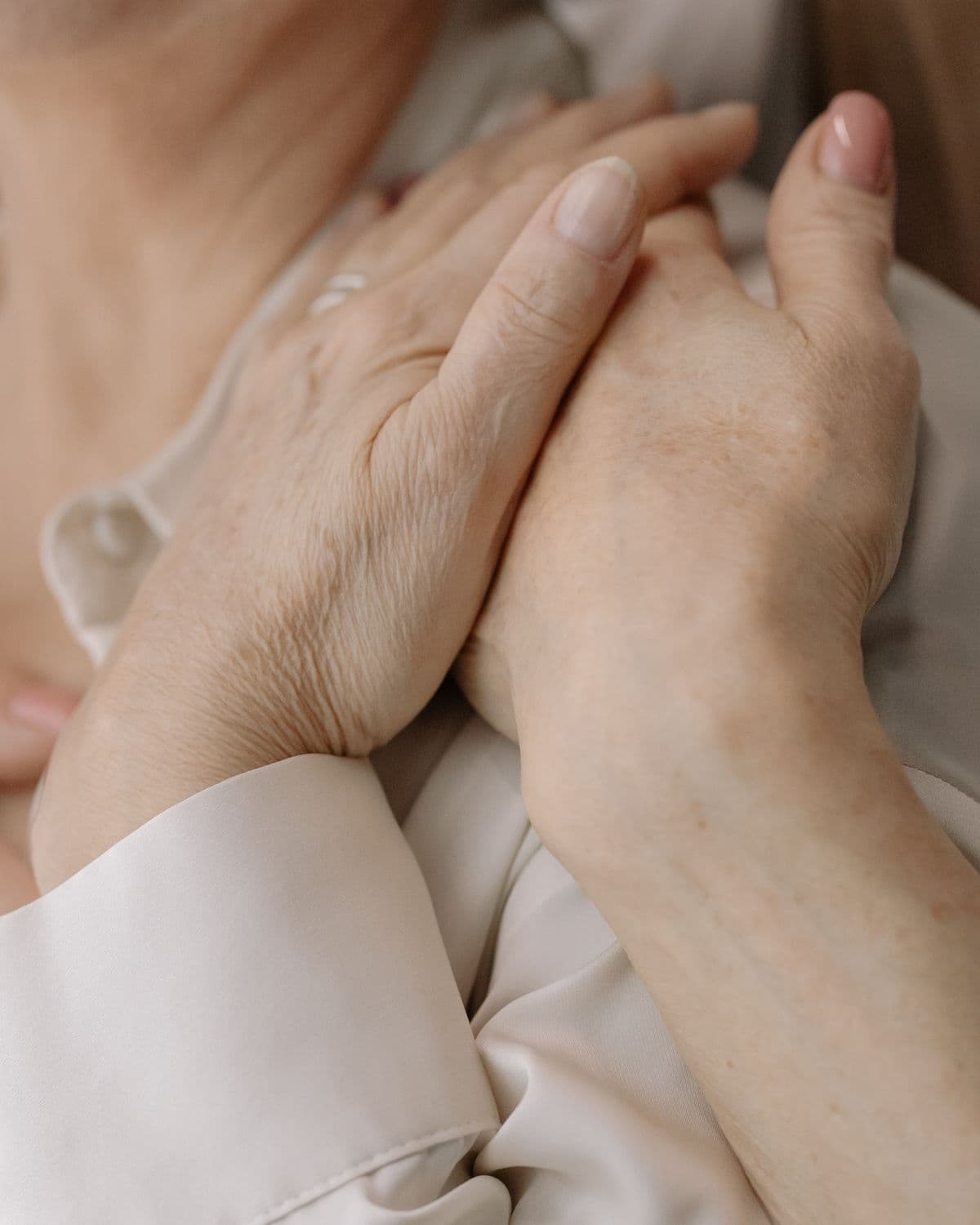
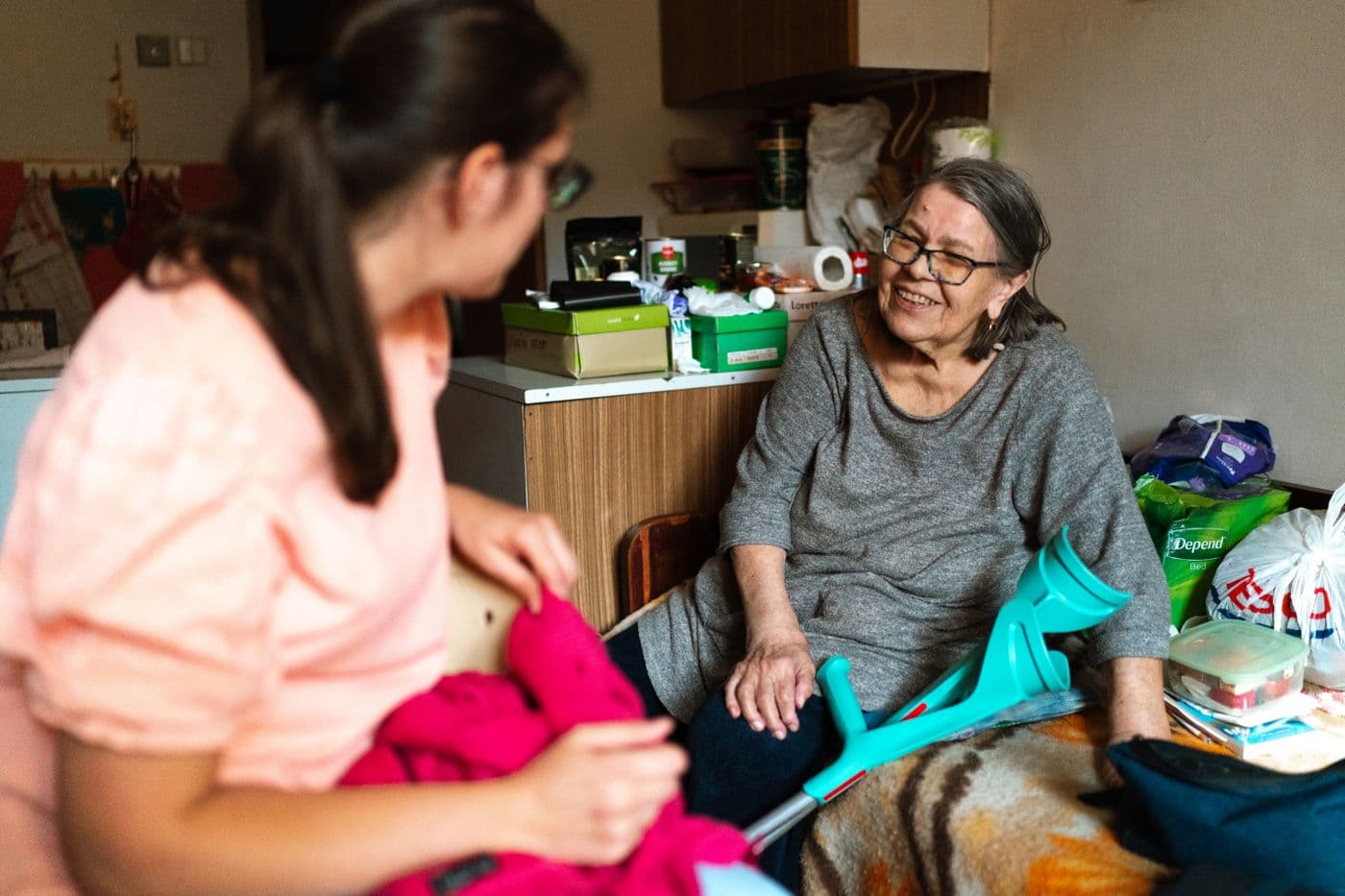
Few phrases carry as much weight as "palliative care", and few are as widely misunderstood. It does not mean giving up, and it does not only apply to the final days. Palliative care is simply care focused on comfort, dignity and quality of life for someone living with a serious or life-limiting illness — and much of it can happen at home.
Comfort as the priority
When someone is seriously unwell, the goal of care shifts. Rather than aiming to cure, palliative care aims to ease: to manage discomfort, to reduce distress, and to make each day as gentle as it can be. That includes physical comfort, but also emotional peace — for the person and for the people who love them.
Being at home, in familiar surroundings, is often central to that comfort. It allows precious time to be spent on what matters most, without the disruption of an unfamiliar setting.
What home palliative care can include
Every situation is different, but compassionate palliative care at home might involve:
- Gentle personal care focused entirely on comfort and dignity.
- Support with symptom comfort, working closely alongside district nurses, GPs and hospice teams.
- Respite for family, so loved ones can rest — and be present as family, not only as carers.
- Emotional support and a calm, unhurried presence through a hard time.
- Care that honours wishes, following what the person themselves wants wherever possible.
Working as one team
Good palliative care is never delivered in isolation. We coordinate closely with the NHS, district nurses, GPs and hospice or palliative specialists, so that everyone is working to the same plan — one led by the person's own wishes. Families often tell us that this joined-up approach lifts an enormous weight, because they no longer feel they must manage everything alone.
Supporting the whole family
Palliative care recognises that a serious illness affects everyone. Practical help with daily tasks, a listening ear, and simply not having to do it all can make an unimaginably difficult time a little more bearable. Care can be arranged flexibly — from visiting support to overnight or live-in care — depending on what a family needs as circumstances change.
Starting the conversation
Reaching out about palliative care is never easy, and there's no perfect moment. But you don't need to have everything worked out first. A gentle, no-pressure conversation can help you understand what support is available and how quickly it can be arranged.
If you or a loved one is coping with a life-limiting illness, your GP or specialist team can also refer you to local hospice and community services.
To talk about palliative care at home, contact us or read more about our palliative care service. We'll be gentle, and we'll be here.