Parkinson's care
Supporting a Loved One with Parkinson's
Draft copy for review. This article was drafted from its title and should be checked for accuracy before publishing (see CONTENT-TODO.md).
Parkinson's is often misunderstood as simply "a tremor". In truth it affects movement, energy, mood and confidence, and it can change noticeably from one hour to the next. Understanding that variability is the first step to supporting someone well.
The rhythm of the day
Many people with Parkinson's describe "on" periods, when medication is working and movement is easier, and "off" periods, when stiffness and slowness return. A good day and a hard day can look very different — and so can a good morning and a difficult afternoon.
The most helpful thing carers and families can do is to work with that rhythm rather than against it: planning demanding tasks for "on" times, and offering extra patience and support during "off" periods.
Why medication timing is everything
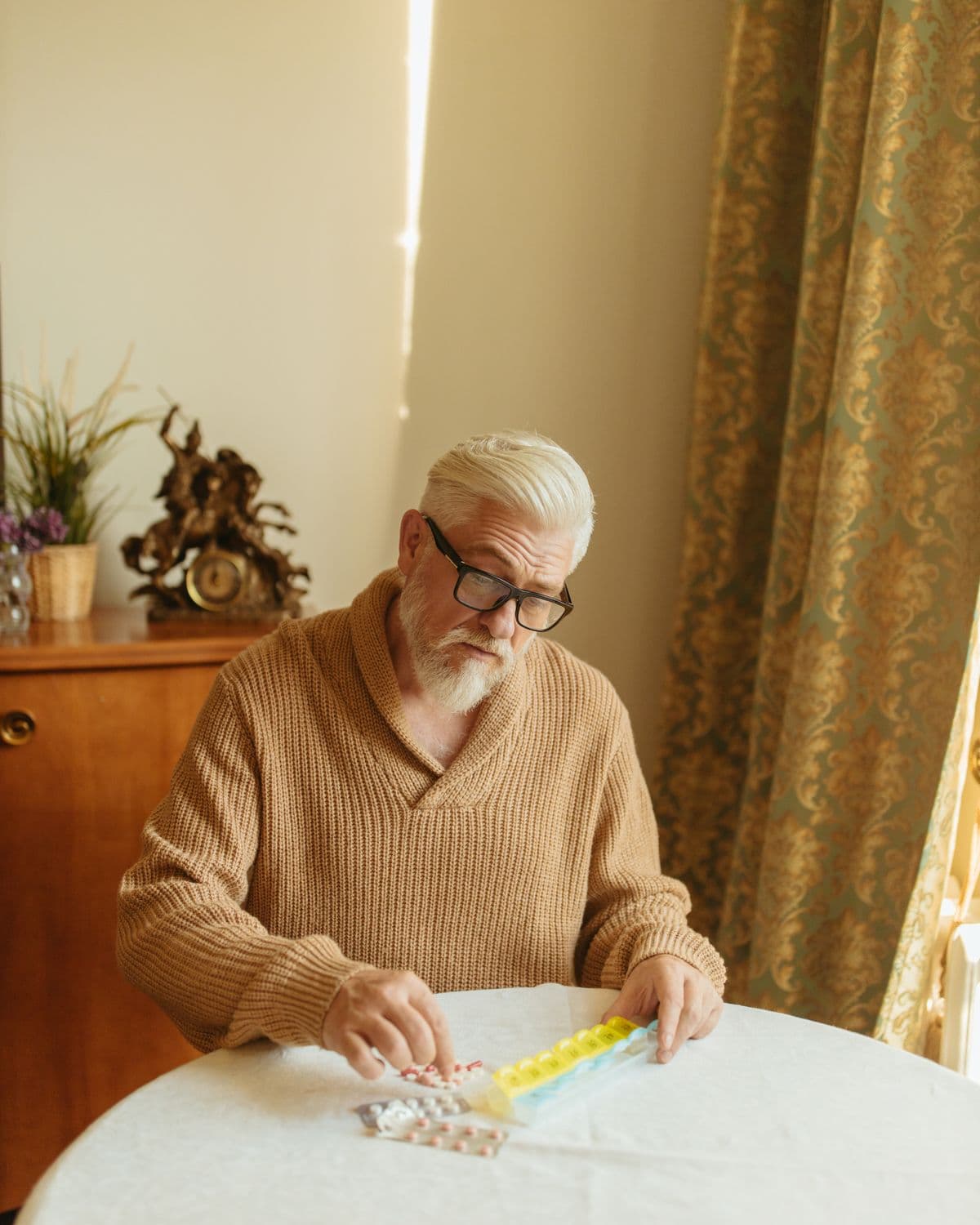
For Parkinson's, medication isn't "roughly when you remember" — it's on a schedule, often to the exact time. Even small delays can affect mobility, comfort and mood. This is why our carers treat medication prompts as a genuine priority, supporting the timing a person's specialist has set.
If you're supporting a loved one yourself, a simple, visible medication routine — and a backup reminder — can make a real difference.
Keeping life full, not just safe
It's easy for care to focus only on risk. But quality of life matters just as much. That might mean:
- Encouraging gentle movement and any exercises recommended by a physiotherapist, which can genuinely help mobility.
- Adapting tasks so tremor or stiffness doesn't mean giving up a favourite hobby — just doing it differently.
- Protecting confidence at mealtimes and in company, where symptoms can feel exposing.
- Watching mood. Low mood and anxiety are common with Parkinson's and deserve attention, not dismissal.
Small changes that help at home
Little adjustments reduce daily frustration: easy-grip cutlery, clear walkways to lower fall risk, unhurried time to move between rooms, and clothing that's simple to manage. None of these are dramatic, but together they help someone stay independent and dignified.
When extra support helps
Parkinson's is progressive, and needs change over time. Bringing in support — whether visiting care to help with mornings and medication, or live-in care as needs grow — isn't a loss of independence. Done well, it protects independence, by making the day safer and less exhausting for everyone.
Always coordinate care with the person's GP, Parkinson's nurse and physiotherapist — joined-up support works best.
If you'd like carers who genuinely understand Parkinson's, read about our Parkinson's care service or send us an enquiry. We're here to help, at your pace.