Physical support
Staying Safe and Mobile at Home
Draft copy for review. This article was drafted from its title and should be checked for accuracy before publishing (see CONTENT-TODO.md).
Mobility is quietly tied to independence. When moving around becomes harder — after a fall, a stroke, surgery, or simply with age — the whole world can shrink to a single room. The good news is that with the right physical support, many people can stay safe, mobile and confident in their own homes.
Why falls matter so much
A fall is rarely "just" a fall. Beyond the immediate injury, falls chip away at confidence, and a fear of falling can lead someone to move less — which weakens muscles and, ironically, increases the risk of falling again. Breaking that cycle early is one of the most valuable things good care can do.
Safe support, not "doing it for them"
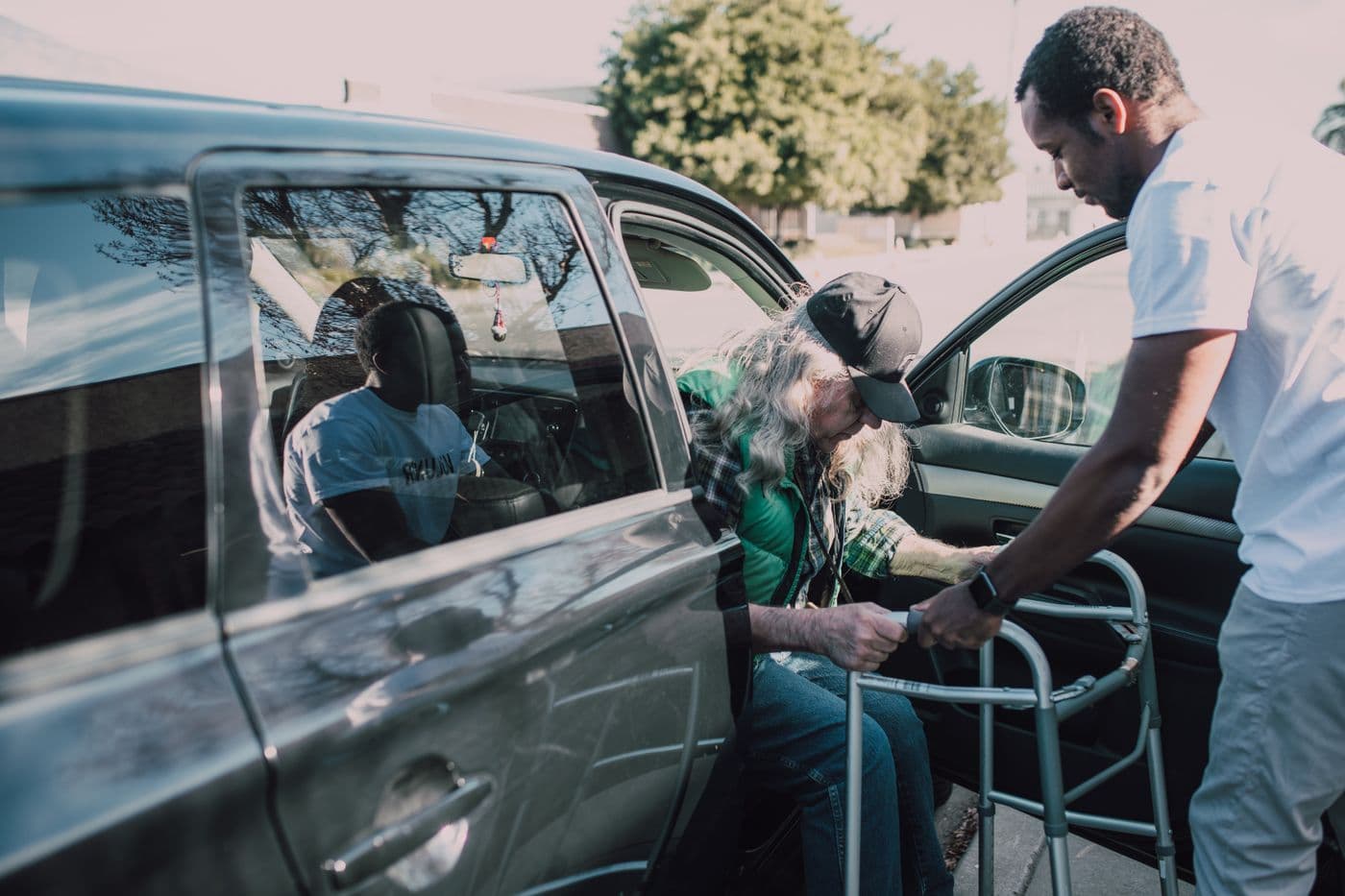
Physical support isn't about taking over. It's about helping someone do what they can, safely, and stepping in only where needed. Our carers are trained in safe moving-and-handling techniques and the correct use of equipment, so that transfers — from bed to chair, chair to bathroom — happen without strain or risk to either person.
Typical support includes:
- Safe transfers and moving-and-handling, using the right technique every time.
- Mobility support around the home and outside it.
- Falls-prevention awareness — spotting and reducing hazards.
- Help with washing, dressing and daily routines where mobility makes them hard.
- Encouragement to stay active and independent wherever possible.
Small changes, big difference
A home can be made much safer with modest adjustments: clear, uncluttered walkways; good lighting; grab rails where they help; removing loose rugs; and keeping everyday items within easy reach. Before care begins, we assess the home so the right equipment and set-up are in place.
Working with the professionals
Physical support works best as part of a team. We're always happy to follow and reinforce exercises or routines set by NHS or private physiotherapists — the repetition between appointments is often where real progress is made. Consistent encouragement to keep moving, safely, can genuinely improve strength and confidence over time.
Protecting independence and confidence
The aim of physical support is not to wrap someone in cotton wool — it's the opposite. By making movement safer, we help people keep doing the things they enjoy, from pottering in the kitchen to getting out for fresh air. Confidence returns when someone feels steady on their feet again.
When to ask for help
If you've noticed a loved one becoming unsteady, moving less, or worrying about falling, it's worth acting early rather than waiting for an accident. A free assessment can identify simple changes and the right level of support before a small problem becomes a serious one.
If falls are becoming frequent, do speak to a GP too — they can check for underlying causes and refer for a falls assessment.
To find out how we can help, read about our physical support service or contact us.