Live-in care
Live-In Care vs a Care Home: How to Choose
Draft copy for review. This article was drafted from its title and should be checked for accuracy before publishing (see CONTENT-TODO.md).

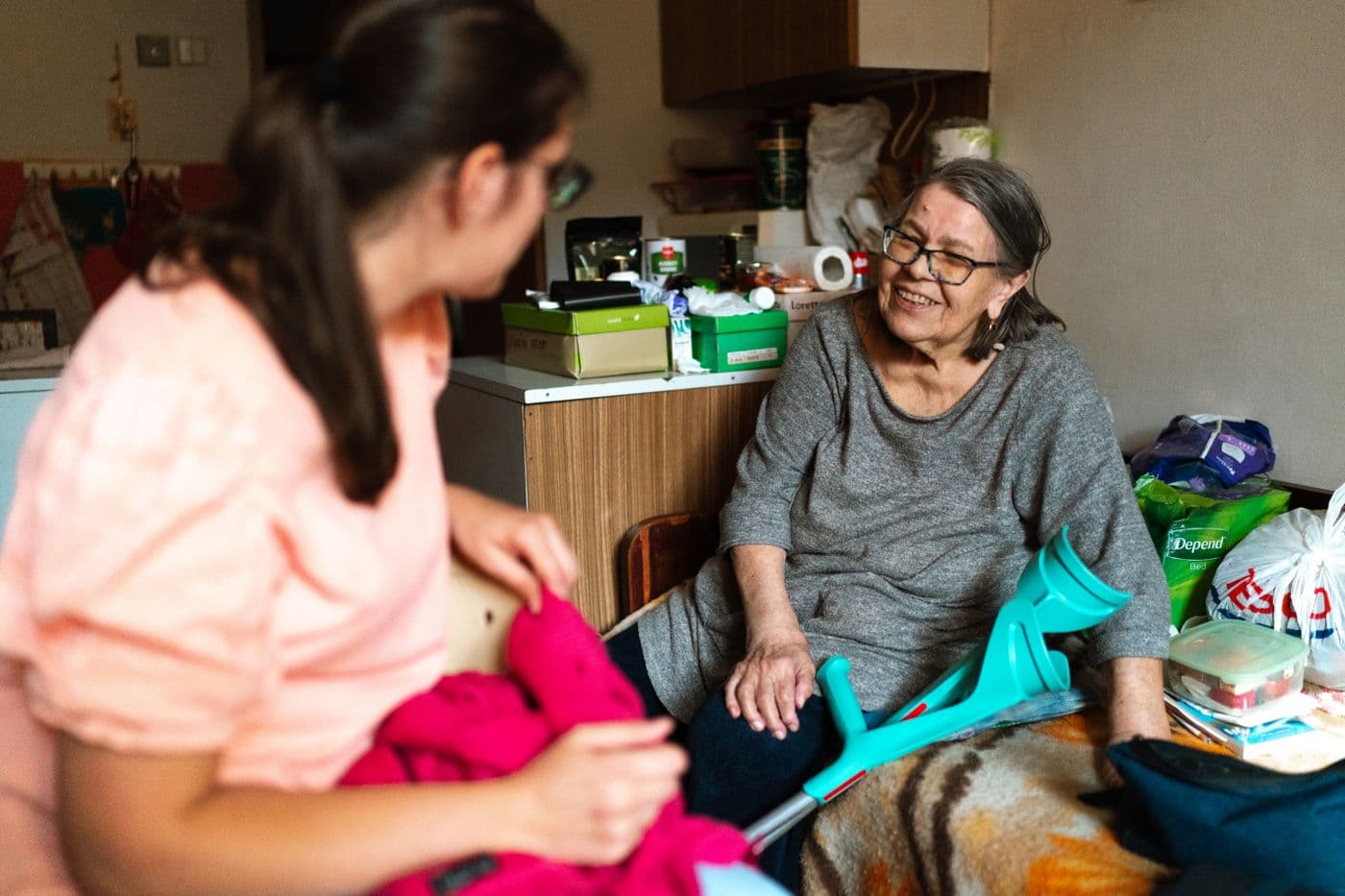
When someone needs more support than a few visits a week can provide, families often assume the only answer is a care home. It's worth pausing on that assumption, because there is a genuine alternative: live-in care, where a dedicated carer lives in the home and provides one-to-one support day and night.
Neither option is "better" in the abstract — the right choice depends on the person. Here's how to think it through.
What stays the same, and what changes
The biggest difference is the environment. A care home means a new building, new routines and shared staff. Live-in care means everything familiar stays put: the home, the neighbours, the garden, the pets, the daily rhythm. For someone who finds change unsettling — particularly with dementia — that continuity can be priceless.
There's also the matter of attention. In a care home, staff care for many residents at once. With live-in care, one carer is focused entirely on one person, which often means more responsive, more personal support.
Questions worth asking
- How does your loved one feel about leaving home? For some, community and company in a care home is a relief. For others, home is everything.
- What level of support is needed? Live-in care can cover personal care, medication, mobility, cooking and overnight reassurance.
- Is it a couple? Live-in care lets partners stay together at home, which a care home may not.
- What about cost? People are often surprised: for couples or those with higher needs, live-in care can be comparable to — or better value than — residential fees.
The reassurance families want
A common worry is: "What happens when the carer needs a break?" With a properly managed service, that's covered. At Pamikyx we arrange a rota so care is never interrupted, and we match carers thoughtfully to personality as well as need — because trust is built person to person.
Making the decision without pressure
This is rarely a decision made in a single afternoon, and it shouldn't be. A free, no-obligation home assessment is a good place to start: it helps you understand what level of care is genuinely needed, and what each option would look like in practice, before anyone commits to anything.
There's no wrong choice here — only the choice that's right for your family. Take the time you need.
If you'd like to talk it through, get in touch or read more about our live-in care service. We'll give you honest guidance, whichever direction you lean.