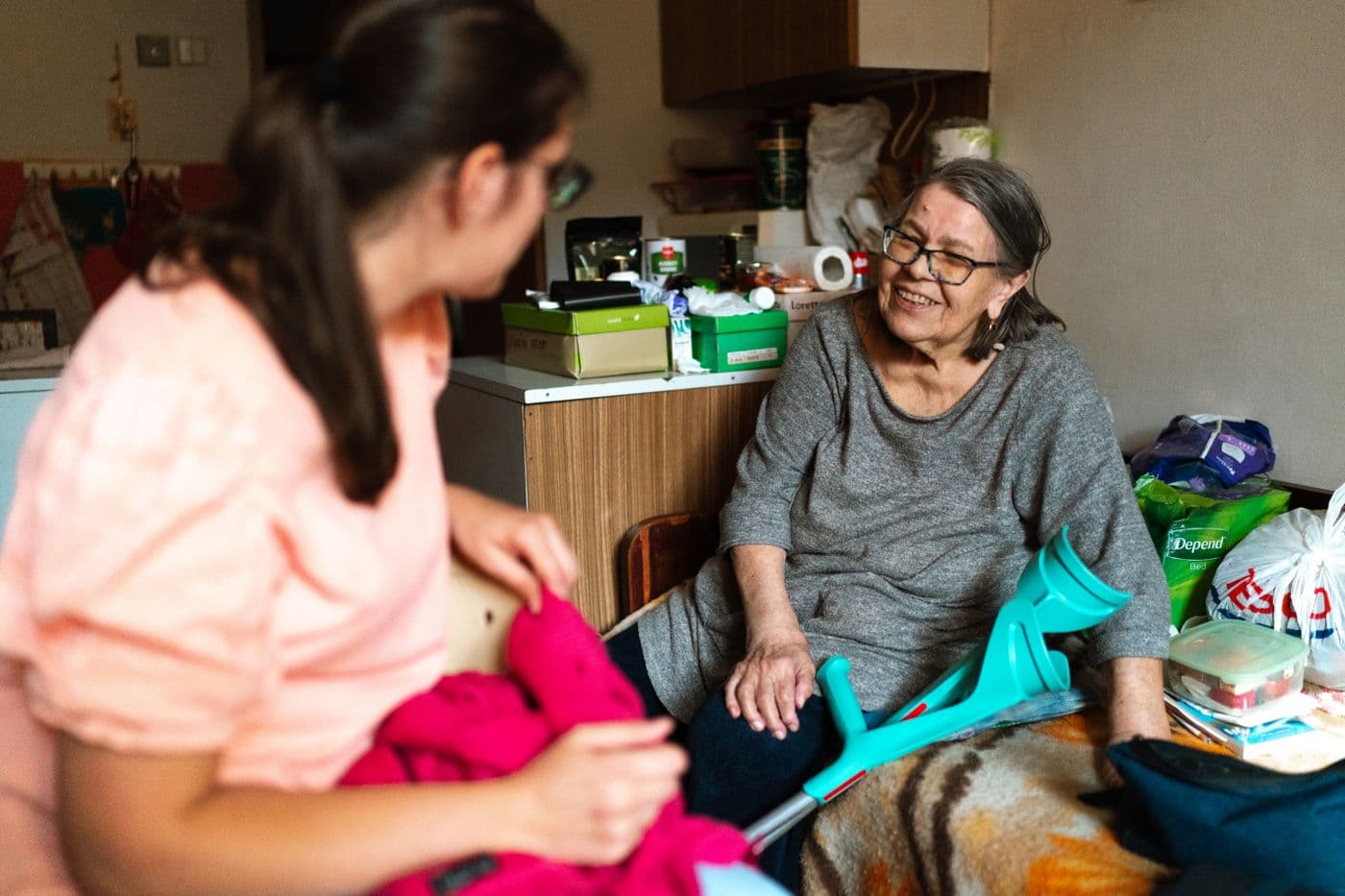
Visiting care
How Visiting Care Works — A Simple Guide
Draft copy for review. This article was drafted from its title and should be checked for accuracy before publishing (see CONTENT-TODO.md).

Not everyone needs round-the-clock support. For many people, the right amount of help is a carer who visits at agreed times — to lend a hand, then leave them to their day. This is visiting care (sometimes called domiciliary care), and its great strength is flexibility.
Built around your routine
Visiting care starts with a simple question: when would help actually make a difference? For some, it's a morning visit to help start the day well — up, washed, dressed, medication taken, breakfast made. For others, it's several visits across the day, or an evening call to help wind down safely.
Visits can be as short as half an hour or considerably longer, once a day or several times, every day or a few days a week. The schedule is yours, and it can change as life does.
What happens during a visit
A typical visit is calm and unhurried, and might include:
- Personal care — help with washing, dressing and grooming.
- Medication support — timely prompts so nothing is missed.
- Meals — preparing something nourishing, and encouraging appetite.
- Mobility help — safe support moving around the home.
- Light household tasks — keeping things comfortable and tidy.
Just as important is the human part: a friendly face, a quick chat, and a caring eye on how someone is doing.
Staying informed
One worry families have about visiting care is not knowing what's happening between visits. Good communication solves that. Our carers leave clear notes after each visit, and we keep families in the loop — so you always know your loved one is being well looked after, even when you can't be there.
Continuity you can count on
Reliability is the heart of visiting care. Knowing that a trusted carer will arrive, on time, at the agreed hour lets a whole day be planned with confidence. We work hard to keep the same carers visiting the same people, so trust and familiarity grow over time.
When needs change
The beauty of visiting care is that it scales. If a little more support is needed, visits can be added; if needs grow significantly, we can talk about live-in care. Nothing is fixed, and you're never locked in — the plan flexes to fit the person.
A good first step
Because it's flexible and low-commitment, visiting care is often where families begin — especially after a hospital stay, when a bit of support helps someone recover safely at home. It's a gentle, practical way to keep independence while making the day that bit easier.
After a hospital discharge, even short-term visiting care can make recovery safer and calmer.
To explore a schedule that suits you, read about our visiting care service or get in touch.